Options
The structural difference of bacterial communities between anthropic and natural lakes
Date issued
2020-10
Author(s)
DOI
10.21698/simi.2020.ab30
Abstract
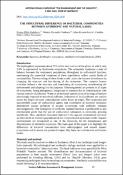
The hydrosphere represents about 71% of the total surface of the planet of which only 2.8% is represented by freshwater ecosystems. The ecosystem maintains a state of balance between the component populations, throughout its self-control function, maintaining the numerical variations of these populations within certain limits of sustainability. The exceeding of these limits could cause the balance disturbance by changing the structure and functioning of the ecosystem. The complex human activities influence the structure and functioning of ecosystems, transforming the environment and adapting it to its purposes. Microorganisms are present in all types of ecosystems, being endogenous, exogenous or transient due to contamination with
various sources of pollution. Water is an essential natural factor of ecological balance increasingly exposed to microbial pollution. Indicators of fecal pollution are used to assess the degree of water contamination and to locate its origin. The continuous and uncontrolled usage of antibacterial agents that contributed to bacterial resistance determined/ caused pollution of aquatic ecosystems with antibiotic resistant microorganisms. The emergence of antibiotic resistant bacteria is predictable in any environment given that the use of antibacterial substances is constantly growing worldwide. Thus, antibiotic resistance induced in the aquatic environment can have an effect both on bacterial populations in the ecosystem and on human health. Aquatic environments are recognized as one of the reservoirs for the transmission and dissemination of antibiotic resistance. The main goal of this paper is to highlight the differences of bacterial communities from anthropogenic and natural aquatic ecosystems and to assess the potential impact they have on the environment and human health.
various sources of pollution. Water is an essential natural factor of ecological balance increasingly exposed to microbial pollution. Indicators of fecal pollution are used to assess the degree of water contamination and to locate its origin. The continuous and uncontrolled usage of antibacterial agents that contributed to bacterial resistance determined/ caused pollution of aquatic ecosystems with antibiotic resistant microorganisms. The emergence of antibiotic resistant bacteria is predictable in any environment given that the use of antibacterial substances is constantly growing worldwide. Thus, antibiotic resistance induced in the aquatic environment can have an effect both on bacterial populations in the ecosystem and on human health. Aquatic environments are recognized as one of the reservoirs for the transmission and dissemination of antibiotic resistance. The main goal of this paper is to highlight the differences of bacterial communities from anthropogenic and natural aquatic ecosystems and to assess the potential impact they have on the environment and human health.
Files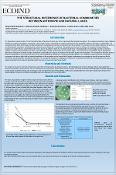
Loading...
Name
PAMS.13-The structural difference.pdf
Description
Poster
Size
538.83 KB
Format
Adobe PDF
Checksum
(MD5):55b73f1132c533645e17fc856ff7fc75
Loading...
Name
30.pdf
Description
Abstract
Size
280.46 KB
Format
Adobe PDF
Checksum
(MD5):4b1d24ee0bf7272a80b8039f27f7d55e